Earwax and Tinnitus
July 26, 2026
Earwax can quietly raise the volume on tinnitus, yet it is one of the most fixable triggers. Here is how to tell if wax is part of your noise, the safest ways to clear it, and how to keep ringing calm after.
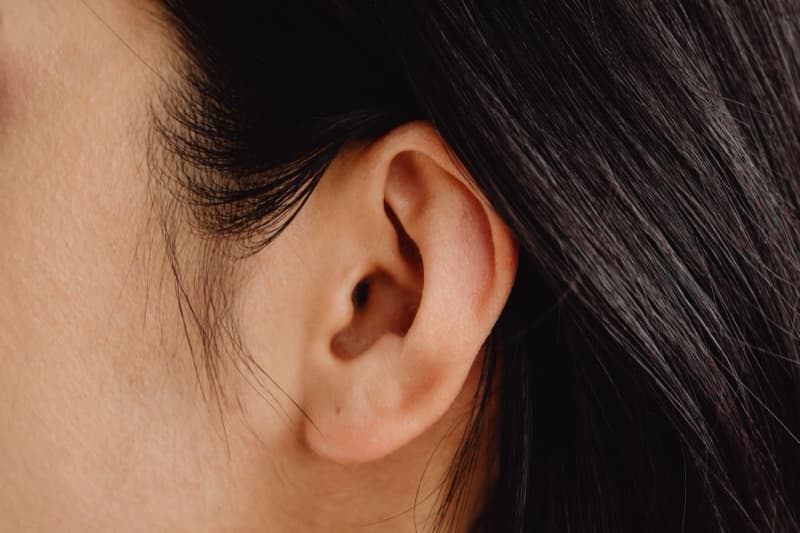
Earwax 101: What it is and why it matters for tinnitus
You wake up to a fuller, muffled ear and the ringing seems louder than yesterday. By afternoon, it crackles when you chew. Is it just another tinnitus spike, or could earwax be involved?
If you have tinnitus, small changes in your ears can feel big. The good news: when earwax contributes to the sound, careful removal often gives quick relief. You will learn what symptoms point to wax, what not to do, and when to get professional help. If you are new to tinnitus in general, start with what is tinnitus.
Earwax (cerumen) is a natural mixture of oils, dead skin, and sweat produced by glands in the outer ear canal. It is protective: it moisturizes skin, traps dust, and keeps bacteria out. In most people, jaw movement and skin migration slowly carry wax outward where it falls away.
With tinnitus, small shifts in hearing can change how loud the ringing feels. If wax blocks the ear canal, incoming sound is reduced, your own voice and chewing are amplified inside the head, and the brain may dial up internal noise to compensate. That can make tinnitus seem louder, sharper, or more reactive.
Common reasons wax builds up:
- Narrow or twisty ear canals
- Hearing aids and earbuds that push wax inward
- Hairy or dry canals that hold wax in place
- Cotton swabs that compact wax rather than remove it
- Skin conditions like eczema or psoriasis
How earwax and tinnitus connect: mechanisms that raise the noise
When wax becomes impacted, several mechanisms can boost or mimic tinnitus:
- Occlusion effect: A plug seals the canal so sound generated inside the head, like chewing and your own voice, gets louder. The contrast can make ringing more obvious.
- Conductive hearing shift: Blocked sound reduces external input. The brain may increase internal gain, raising tinnitus prominence.
- Irritation and infection: Trapped moisture under a wax cap can inflame skin, adding crackling or buzzing.
- Hearing device interactions: Wax on hearing aid receivers or earbud tips distorts sound, triggering feedback or a metallic hiss that you interpret as tinnitus.
Not every sound points to wax. A rhythmic whoosh in time with your heartbeat suggests another cause. If that is your main symptom, read about pulsatile tinnitus: why you hear your heartbeat and seek medical care.
Is your tinnitus wax-related? Clues to look for
A careful self-check can guide your next steps. You cannot see deep into your own ear, but patterns help.
Typical earwax symptoms
- Fullness or pressure in one ear, often after swimming or showering
- Muffled hearing, with normal hearing returning briefly after yawning or jaw movement
- Crackling or a scratchy sound when you chew or touch the outer ear
- Fluctuating ringing that spikes when you insert or remove earbuds
- Itching in the ear canal without sharp pain
- Hearing aid suddenly sounds dull, tinny, or feeds back
Less typical but still possible
- A sudden jump in ringing after a cold or allergy flare
- New sensitivity to your own footsteps or voice on the affected side
When to seek urgent medical care
- Severe ear pain, fever, or foul-smelling drainage
- Vertigo, facial weakness, or sudden hearing loss
- A visible foreign object, recent ear injury, or known eardrum perforation
Safe ways to remove earwax: what works, what to avoid
Before you do anything, remember that the ear canal skin is thin and the eardrum is delicate. Aggressive techniques can worsen tinnitus by injuring the ear.
Self-care do's
- Use cerumenolytic drops such as mineral oil, baby oil, glycerin, hydrogen peroxide 3 percent, or carbamide peroxide as directed.
- Tilt and drain: after softening drops, allow time for wax to migrate out rather than trying to dig it out.
- Keep hearing aid receivers and domes clean and replace wax guards regularly.
- If you irrigate at home, use a body-temperature bulb syringe gently, only if you have no history of ear surgery, holes in the drum, or ear infections.
Self-care don'ts
- Do not use cotton swabs, hairpins, or ear candles. These push wax deeper, may burn or tear skin, and can spike tinnitus.
- Do not irrigate if you have an eardrum perforation, tubes, chronic ear disease, persistent pain, or recent ear surgery.
- Do not over-clean. A little wax is protective; over-removal can cause itching and more wax production.
Here is a quick comparison of common options:
| Method | Who should do it | Good for | Risks / Not for | Tinnitus impact |
|---|---|---|---|---|
| Softening drops | You, pharmacist-guided | Dry or flaky plugs near the outer canal | Overuse may irritate; avoid if ear drains or hurts | May reduce ringing within days if blockage eases |
| Gentle bulb irrigation | You, if no ear disease or surgery | Soft plugs after drops | Not for perforations, tubes, severe pain, or infection | Relief can be immediate; transient louder ringing is possible |
| Microsuction | Audiologist or ENT | Firm, deep, or recurrent plugs; hearing aids | Brief noise exposure; rare dizziness | Often instant clarity; tinnitus may settle over hours to days |
| Curettage under direct view | Audiologist or ENT | Localized plug near canal entrance | Scrape irritation if you move suddenly | Quick fix when visible; minimal tinnitus fluctuation |
If you use hearing aids, a wax guard clogged on one side commonly produces a unilateral tinnitus spike. Cleaning or replacing that tiny filter can help. If you are new to devices and tinnitus, explore hearing aids and tinnitus to understand how amplification supports the brain.
What to expect after wax removal
Sometimes tinnitus feels louder for a day after clearing a blockage. Your ear is suddenly letting in more high-frequency sound, and the brain needs time to recalibrate. Mild crackling as leftover drops dissolve is normal.
Helpful strategies in this window:
- Gentle sound enrichment. A fan, soft music, or ocean noise lowers contrast. Many find relief using the power of white noise or our White Noise track.
- Keep stress low. A calm nervous system quiets reactivity. Practical ideas live in managing tinnitus.
- Prioritize sleep. Rest reduces central gain and sound sensitivity. See tinnitus and sleep for routines that help.
Professional care: when an expert ear helps most
If drops and careful hygiene do not help within a week, or if you have risk factors that make home irrigation unsafe, book with an audiologist or ENT. They will examine your canal and drum with a light, remove wax under direct vision, and check hearing.
A professional visit is also wise if your tinnitus does not ease after clearing wax. An audiogram can spot a conductive component from fluid or a sensorineural shift that needs attention. Learn how clinicians assess the whole picture in how audiologists diagnose and treat tinnitus.
If you rely on earbuds or over-ears, review clean-wear cycles and safe listening limits. Poor hygiene and high volumes increase wax buildup and reactivity. These guides can help:
- Balanced tech habits: AirPods and Tinnitus
- Quieter commutes and offices: Noise Canceling Headphones for Tinnitus
Post-removal tinnitus care: keeping the calm
Once the blockage is gone, your goal is stability. Tinnitus thrives on contrast, stress, and fatigue. A few small habits make a big difference.
Daily anchors
- Light sound in quiet rooms. Gentle nature audio or low-level music reduce contrast. Many people pair masking with tracking in apps that help tinnitus.
- Balance stimulation. Alternate focused work with short movement breaks to avoid sensory overload.
- Mind the nervous system. If worry drives your spikes, skills from cognitive behavioral therapy can help; start with Cognitive Behavioral Therapy and Tinnitus or practice settling techniques from tinnitus and anxiety: staying mentally strong.
Protect without overprotecting
- Use hearing protection at loud events, but avoid wearing plugs in everyday safe sound. Overuse can increase sensitivity and tinnitus reactivity.
- If silence makes you edgy, try gentle background sound. Many notice relief after reading can silence make tinnitus worse.
Prevention and ear-care habits that help
You cannot change your canal shape, but you can reduce buildup and reactivity.
Smart hygiene
- Wipe only the outer ear with a washcloth. Let your ear self-clean.
- If you are a wax builder, schedule a professional clean every 6 to 12 months.
- Rinse and dry reusable earbud tips; rotate days off to let canals breathe.
Listening habits
- Keep device volumes under 60 percent and limit long sessions. Give ears breaks.
- If you like background sound for focus, choose soft, broadband options that do not force volume. Explore calming tracks like Nature Sounds.
Device care if you wear aids
- Change wax guards on schedule, brush receivers daily, and store aids dry.
- If a side sounds distorted, clean first before assuming a tinnitus flare.

Conclusion: earwax is fixable, tinnitus is manageable
Earwax is a common, correctable reason tinnitus flares. When a plug dampens outside sound, the brain often raises internal noise. Gentle softening drops, careful hygiene, and timely professional removal usually restore clarity. Give your auditory system a few days to recalibrate, and use soft sound to reduce contrast while it does.
If your ringing does not settle after clearing wax, widen the lens. Consistent habits and sound enrichment reduce reactivity over time, and targeted support from an audiologist can rule out other causes. For day-to-day steadiness, lean on steady management habits and practical tools like sound enrichment to keep the volume of life, not the ringing, in front.
 Written by