Hearing Aids and Tinnitus
July 23, 2026
Hearing aids are not a cure for tinnitus, but for many people they lower the volume of ringing and reduce listening fatigue. This guide explains who benefits most, which features matter, and how to set realistic timelines for relief.
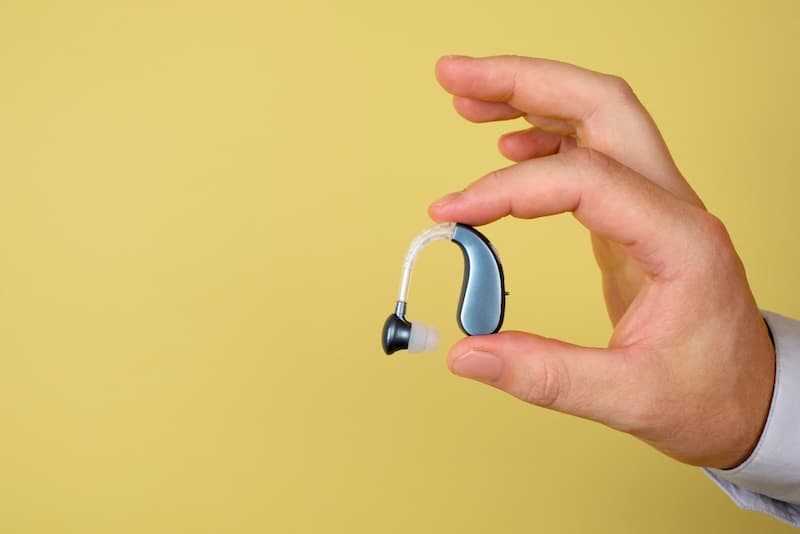
If you live with constant ringing, you have probably been told to try hearing aids. You may wonder if they really help tinnitus, or if they are only for hearing loss.
You will learn how hearing aids can soften tinnitus by restoring everyday sound, which features to look for, and how to navigate fitting and follow-up so you get real results. If you are new to tinnitus, start with a plain-English overview in what is tinnitus.
Do hearing aids help tinnitus? The connection
Most adults with persistent tinnitus also have some degree of measurable hearing loss, especially in the high frequencies. When the ear sends less input, the brain turns up internal gain to compensate, and tinnitus often emerges from that imbalance. Hearing aids add back the missing sound, which can:
- Reduce the contrast between silence and the tinnitus signal
- Make speech and environmental audio easier to hear, so the brain spends less energy on the ring
- Provide partial masking and sometimes short-lived quiet after removal, called residual inhibition
Across clinical reports, many users describe partial relief, better focus, and less emotional distress, while a minority notice little change. Some people even experience meaningful improvement only after the fit is optimized over a few visits. The evidence base keeps growing, and you can skim recent directions in Tinnitus Latest Research. Mechanistically, the benefit aligns with how the brain integrates sound, as outlined in The Role of Neural Pathways in Tinnitus Perception.
How hearing aids reduce tinnitus: mechanisms you can feel
Tinnitus relief with hearing aids is rarely instant, but several mechanisms often add up:
-
Amplification restores missing input By improving audibility, amplification lowers the brain's need to overcompensate, which can soften perceived loudness.
-
Built-in sound therapy and mixing Some aids include sound therapy libraries that play steady, soothing tones. These can be mixed under speech, helping the tinnitus blend into the background.
-
Attention and control Volume, program, and sound-generator control give you agency, which can shift attention away from the ring.
-
Less listening effort, less stress Easing speech understanding lowers daily strain that can spike symptoms. If stress triggers your spikes, see practical strategies in Tinnitus and Stress.
-
Gentle masking when you need it Low-level backgrounds such as White Noise can be streamed to your aids for consistent, customizable comfort.
Who benefits most - and who might not
Not everyone experiences the same outcome. These patterns can guide expectations:
- Mild-to-moderate high-frequency hearing loss: most likely to notice improvement, especially if tinnitus pitch matches the area of loss.
- Normal audiogram but bothersome tinnitus: benefit is mixed; standalone sound therapy and counseling may do more than amplification alone.
- Hyperacusis or sound sensitivity: relief is possible with careful, slow gain increases; abrupt loudness can aggravate symptoms.
- Unilateral tinnitus: a two-ear evaluation helps; sometimes a contralateral fit or a single aid is recommended based on hearing profile.
- Pulsatile tinnitus: hearing aids are not first-line; seek medical evaluation for a rhythmic sound in time with your heartbeat, as outlined in Pulsatile Tinnitus: Why You Hear Your Heartbeat.
- Children and young adults: specialized fitting and counseling are important; growth and school listening needs matter.
Feature checklist and options compared
Devices and settings vary widely. Here is how common features relate to tinnitus.
| Feature or option | What it can do for tinnitus | Best for | Notes |
|---|---|---|---|
| Basic amplification only | Restores environmental sound to reduce contrast with ringing | Hearing loss with steady tinnitus | Accurate fitting at your tinnitus pitch range matters. |
| Built-in noise or ocean sounds | Adds gentle masker under speech to reduce intrusiveness | Daytime use when quiet is hard to tolerate | Mix levels so speech remains clear. Libraries differ by brand. |
| Notched amplification or music | Attempts to reduce attention to the tinnitus frequency over time | Tonal tinnitus with a clear, single pitch | Consider pairing with Notched Sounds for structured trials. |
| Bluetooth streaming + app control | Quick access to masking, volume, and programs | Tech-comfortable users who want on-demand relief | Pair with curated tools from Apps That Help Tinnitus. |
| Directional mics and noise management | Reduces listening effort in noise, lowering stress | Social or work settings with background noise | Aggressive noise suppression can feel odd; fine-tune with your audiologist. |
| Active noise canceling headphones (not hearing aids) | Short-term masking and noise control | Normal hearing or in-between fittings | Helpful tool, but not a replacement for amplification; see Noise Canceling Headphones for Tinnitus for pros and cons. |
Pro tip: experiment with two or three programs, such as everyday, quiet with soft mask, and noisy environments, then journal what helps across places and times.
Fitting, programming, and adaptation timeline
Your path to relief is a process, not a single appointment. A solid plan looks like this:
-
Comprehensive evaluation An audiologist measures thresholds, speech understanding, and tinnitus pitch or loudness match when possible. This shapes the initial program.
-
Real-ear verification Your provider measures sound at the eardrum to ensure targets are truly reached, especially near your tinnitus pitch. Without this, amplification may miss the frequencies you need most.
-
Initial wear schedule Build up to 8 to 12 hours per day over the first week. Short, quiet breaks are fine; avoid all-day silence.
-
Fine-tuning and feature trials Across 2 to 4 follow-ups, test masking libraries, notch settings, and noise management strength. Small 1 to 2 dB changes can matter.
-
Tracking outcomes Log loudness, annoyance, and situations in a simple diary or the app so your clinician can link settings to results.
-
Skill-building and counseling Sound therapy works best with coping skills like CBT for reactivity and sleep hygiene; explore Cognitive Behavioral Therapy and Tinnitus for practical tools.
Typical timelines: many users notice a shift in annoyance within 2 to 6 weeks, with steadier benefits by 8 to 12 weeks. Use the device trial period to iterate rather than waiting passively.

At-home sound therapy with or without hearing aids
Whether or not you wear hearing aids, curated background audio can smooth spikes and support sleep. Steady, neutral sounds like White Noise are easy to blend under daily life and can be streamed quietly to your aids. For nights, many people combine soft masking with a wind-down routine from Tinnitus and Sleep so the brain does not fixate on ringing in a silent room.
In very quiet spaces, a little sound can be more comfortable than total quiet, which is why some people find that low-level room audio helps when reading or working.
Costs, access, and alternatives
-
Prescription vs OTC Over-the-counter (OTC) hearing aids are approved for self-fit in adults with perceived mild-to-moderate loss. If your tinnitus is troubling, a diagnostic evaluation and prescription fitting can be worth it for verification and customization.
-
Price and value Prices vary with features and service packages. For tinnitus, prioritize fit quality, access to multiple follow-ups, and sound generator options over luxury extras.
-
Alternatives and complements If your hearing is normal, you may prefer app-based masking, purpose-built bedside devices, or short sessions with quality ear-level sound generators. If you do not need amplification, active noise control can help certain tasks, but it is not a tinnitus treatment.
-
Medication check Review your meds with a clinician if your tinnitus surged after a change; some drugs can aggravate ringing, and a careful plan may help.
When to seek help and safety tips
Tinnitus is common, but some red flags need prompt care.
When to seek urgent medical care
- Sudden hearing loss in one or both ears
- New pulsatile tinnitus that thumps with your heartbeat
- Tinnitus with severe dizziness, facial weakness, or ear drainage
- Head or ear trauma
Safety and realistic expectations
- Expect relief in annoyance before loudness; many people report improved focus and mood first.
- Avoid cranking masking so high that it covers all speech.
- Give your brain time to adapt, and collaborate with a clinician trained in tinnitus as described in How Audiologists Diagnose and Treat Tinnitus.
- Keep using strategies that support nervous system calm, like paced breathing or a short walk.
Myths vs reality about hearing aids and tinnitus
-
Myth: Hearing aids cure tinnitus. Reality: They often reduce impact and improve quality of life, but the signal may still be present.
-
Myth: If one brand did not help, none will. Reality: Fit quality, verification, and fine-tuning matter more than brand.
-
Myth: Masking should make tinnitus disappear. Reality: The best mix keeps tinnitus just at the edge of awareness so your brain can de-emphasize it over time.
Curious about other common misconceptions? Explore Tinnitus Myths vs Reality.
Conclusion: hearing aids as part of a broader tinnitus plan
Hearing aids help many people by restoring missing sound, lowering listening effort, and offering flexible masking that makes ringing less intrusive. The greatest gains come from a good diagnostic workup, verified fitting, and a few rounds of fine-tuning while you build habits that calm your nervous system.
You do not have to figure it out alone. Pair your devices with coping tools and consistent sound therapy, and keep simple notes so your clinician can dial in settings that match your life. If you want a structured path that blends devices with daily skills, start with the strategies in managing tinnitus and give your plan a few weeks to work.
References
- Tinnitus - symptoms, causes and treatment - NIDCD, National Institutes of Health
- Clinical Practice Guideline: Tinnitus - American Academy of Otolaryngology-Head and Neck Surgery
- Understanding the facts about tinnitus - American Tinnitus Association
 Written by