Ear Piercings and Tinnitus
September 4, 2026
Ear piercings can trigger a temporary tinnitus spike, but lasting damage is uncommon when you pierce and heal safely. Here is how different piercings interact with your ears, what really raises risk, and the steps to protect your hearing and calm any ringing.
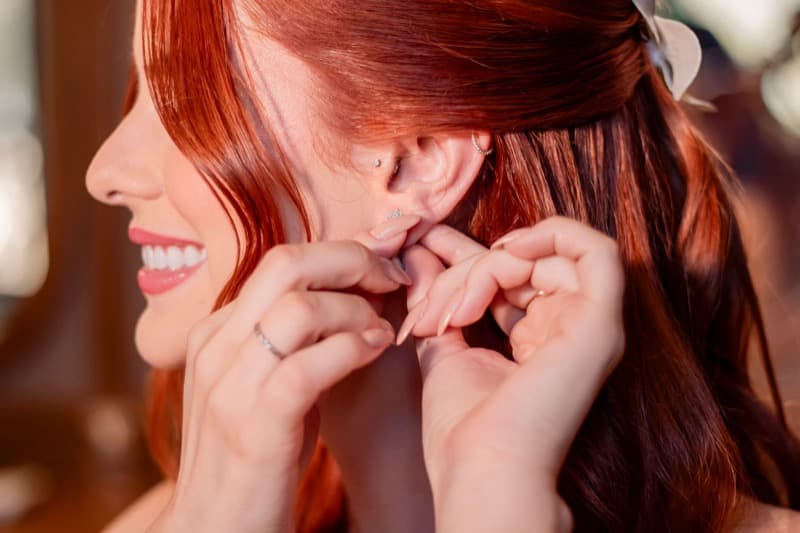
Ear piercings and tinnitus: what you should know
You might be eyeing a new helix or conch but worry the ringing will flare. You are not alone. Many people with tinnitus wonder if a needle in cartilage can stir up their sound.
Most piercings do not cause lasting tinnitus. Short-term spikes can happen from local inflammation, infection, or pressure while sleeping on the new jewelry. In this guide, you will learn how ear anatomy, healing, and habits interact with tinnitus, plus clear steps to lower risk. If you are new to the condition, a quick refresher on what it is and is not helps set expectations: what is tinnitus.
Are piercings a cause of tinnitus? The connection, simplified
A piercing does not directly injure the inner ear where tinnitus is generated. The connection is usually indirect. The top culprits behind a spike are:
- Local swelling that narrows the ear canal or changes how you perceive external sound.
- Infection in the lobe or cartilage that ramps up inflammation and pain.
- Mechanical pressure on the ear from sleeping, helmets, or headphones while the wound heals.
- Loud noise exposure at or after the appointment, which can irritate a sensitive auditory system. See the role of harmful sound in tinnitus at the impact of noise pollution on tinnitus.
Cartilage piercings carry higher risks than lobes because cartilage has poorer blood supply and is more prone to perichondritis - a deeper cartilage infection that can be painful and serious. Ear infections themselves can irritate or reveal existing tinnitus, so knowing the signs matters: can ear infections cause tinnitus.
Here is a quick comparison of common sites, healing, and relative tinnitus-spike considerations:
| Piercing site | Typical healing time | Tissue | Relative spike risk | Why risk differs | Notes |
|---|---|---|---|---|---|
| Earlobe | 6-8 weeks | Soft tissue | Low | Good blood flow, easier aftercare | Often best choice if you have frequent spikes |
| Helix/Upper cartilage | 4-6 months | Cartilage | Medium | Higher infection risk, pressure-sensitive | Avoid sleeping on it early on |
| Tragus | 3-6 months | Cartilage | Medium | Close to canal entrance, pressure changes can alter sound | Headphones may press on it |
| Conch | 6-9 months | Cartilage | Medium-high | Larger gauge, deeper cartilage | Watch helmet or earcup pressure |
| Industrial/Scaffold | 6-12 months | Two cartilage holes | Higher | Two wounds connected by a bar, more movement | Needs meticulous hygiene |
| Daith | 6-9 months | Cartilage | Medium | Claimed to help tinnitus or migraine, but evidence is lacking | Do not rely on it as a treatment |
Key takeaways:
- Lobe piercings are generally the lowest risk for people with sensitive ears.
- Cartilage piercings need more time, space, and sleep-position changes to avoid pressure and pain.
- A poorly fitted earcup or helmet on a healing cartilage piercing can aggravate ringing.
Biology and mechanisms: why a new piercing can spike the ringing
Understanding the ear's wiring helps you stay calm and strategic if a spike shows up.
- Nerve irritation: The external ear is supplied by branches of the auriculotemporal, great auricular, and auricular branch of the vagus. Irritation in these superficial nerves can temporarily heighten sensory gain, making internal sounds more noticeable. This does not mean the inner ear is damaged.
- Inflammation and sound perception: Swelling near the canal entrance, especially with a tragus or conch, can alter how external sound enters. When outside sound is slightly reduced, your brain may turn up the internal volume, a common pattern in tinnitus.
- Jaw and neck mechanics: Side-sleeping on a fresh cartilage piercing can tense your jaw and neck. Somatic inputs from the neck and jaw can modulate tinnitus loudness - see the jaw connection at TMJ and tinnitus: the jaw connection.
- Stress and arousal: Anticipation, pain, and sleep disruption during healing can fuel sympathetic arousal. Higher arousal often correlates with louder tinnitus. Helpful context is here: tinnitus and stress.
- Medications and topicals: Be cautious using random ear drops or antiseptics in the canal unless advised. Some medications can be ototoxic. If you are prescribed antibiotics or use topical agents, discuss risks with your clinician and review ototoxic medications and tinnitus.
None of the above guarantees a spike. They explain why one can happen, and why it usually settles as the tissue calms and your nervous system re-stabilizes.
Piercing safely with tinnitus: step-by-step guide
You can reduce risk with a few practical choices before, during, and after the appointment.
Before you book
- Prefer a professional piercer who uses single-use sterile needles, not piercing guns for cartilage.
- Jewelry: start with implant-grade titanium, niobium, or solid 14k-18k gold to reduce nickel irritation.
- Plan sleep: a travel pillow or donut pillow prevents side pressure.
- Consider starting with a lobe if you have frequent spikes.
Day of the piercing
- Keep the environment calm and quiet. If the studio is loud, ask to reduce music. Protect your ears afterward - loud cafes or concerts right after a piercing can be a problem.
- Ensure the jewelry is sized for swelling - too short can compress tissue and raise pain.
Aftercare essentials
- Clean with sterile saline twice daily. Avoid alcohol or hydrogen peroxide that can delay healing.
- Hands off. Do not twist or rotate the jewelry.
- Avoid submerging in pools, hot tubs, or lakes in early healing.
- Minimize pressure: no tight headphones or helmets on that side early. If you need headphones for work, choose over-ear cups that do not touch the jewelry and keep volume low. For quiet comfort, see noise canceling headphones for tinnitus.
If tinnitus flares
- Use gentle sound enrichment to reduce contrast with your ringing - try White Noise or a soft fan.
- Keep routines stable and supportive. Steady habits often help settle spikes, as covered in managing tinnitus.
- Sleep with the unaffected side down, and support your neck. Small changes in posture can calm somatic input.
Myths and FAQs about ear piercings and tinnitus
- Does a daith piercing cure tinnitus? No. There is no high-quality evidence that a daith changes tinnitus outcomes. Some people report coincidental improvement, others do not. Approach it as jewelry, not medicine. For critical thinking on popular claims, see Tinnitus Myths vs Reality.
- Is the tragus piercing safer for tinnitus because it is near the vagus nerve? There is no good evidence that stimulating the external ear with a piercing improves tinnitus. Controlled neuromodulation devices use precise, tested parameters - a single piece of jewelry is not the same thing.
- Will earbuds sit better with a tragus or conch and reduce ringing? Fit can change, but the biggest factors are volume, duration, and rest days. If you use earbuds, keep volume low and consider breaks. For practical tips on in-ears, see AirPods and Tinnitus.
When to seek help
Most spikes after piercing are temporary and recede as the ear heals. Seek professional care promptly if you notice:
When to seek urgent medical care
- Sudden hearing loss in one ear, with or without ringing - this is an emergency. Read about red flags in Sudden Hearing Loss and Tinnitus.
- Spreading redness, warmth, or severe throbbing pain in cartilage.
- Fever, thick discharge, or a bad smell from the site.
- Persistent swelling that compresses the jewelry against the skin.
- New vertigo, severe dizziness, or facial weakness.
Who to contact
- A qualified piercer for jewelry fit and early troubleshooting.
- Your primary care clinician or urgent care for suspected infection or severe pain.
- An ear specialist or audiologist if tinnitus is persistent, changes character suddenly, or is accompanied by hearing concerns. Here is what a full workup can include: How Audiologists Diagnose and Treat Tinnitus.

Strategies to calm a post-piercing spike
If your tinnitus feels louder after a new piercing, a simple plan can help you regain control.
- Stabilize your environment: reduce bright, unpredictable noise for a few days while avoiding total silence. Light background sound, like White Noise, lowers contrast and perceived loudness.
- Reduce mechanical triggers: avoid pressing the ear with headphones, pillows, or tight hats. If you must use audio, limit volume and pick devices that do not touch the jewelry.
- Downshift stress: brief breathing drills and structured coping reduce the brain's threat response to sound. Many people find skills-based approaches like Cognitive Behavioral Therapy and Tinnitus valuable.
- Protect sleep: prioritize consistent bed and wake times, dark cool rooms, and side-sleeping on the unaffected ear. Ideas here: Tinnitus and Sleep.
- Monitor the timeline: typical cartilage tenderness improves over 2-6 weeks, with full healing taking months. If the spike does not ease as pain and swelling decrease, check in with a professional.
Conclusion: you can love your piercings and protect your hearing
Ear piercings and tinnitus can coexist. The real risks come from inflammation, infection, pressure, and loud sound exposure, not the tiny hole itself. Choosing the right site, a sterile studio, good jewelry, and pressure-free healing keeps odds on your side.
If your ringing flares, focus on calm routines, gentle sound, and sleep while the tissue settles. When questions or red flags arise, partnering with an audiologist brings clarity and options. For ongoing support, build steady habits with managing tinnitus and learn what a professional evaluation can offer in How Audiologists Diagnose and Treat Tinnitus.
Frequently Asked Questions
Can getting my ears pierced cause tinnitus?
A piercing rarely damages the inner ear structures that generate tinnitus directly. A temporary spike can happen from local swelling, infection, or pressure on the ear while it heals, but this usually settles once the tissue calms down and does not mean lasting hearing damage.
Which ear piercing is safest if I already have tinnitus?
Earlobe piercings are generally the lowest risk because the tissue has good blood flow and heals in weeks rather than months. Cartilage piercings like helix, tragus, or conch take longer to heal and are more prone to pressure and infection, which can aggravate a sensitive ear.
Does a daith piercing help tinnitus?
No high-quality evidence supports daith piercings as a tinnitus treatment. Some people report coincidental relief, but controlled studies have not confirmed a real effect. Treat it as a jewelry choice, not a therapy, and continue proven management strategies alongside it.
How long does a tinnitus spike from a piercing usually last?
Most piercing-related spikes ease within two to six weeks as cartilage tenderness and swelling subside, with full healing sometimes taking a few months for cartilage sites. If ringing keeps intensifying rather than settling as pain decreases, check in with an audiologist or your piercer.
When should I see a doctor about my ear after a piercing?
Seek prompt care for spreading redness, warmth, or severe throbbing in the cartilage, fever, thick discharge, or sudden hearing loss in one ear. These can signal perichondritis or another infection that needs antibiotics rather than home care.
References
- Pinna Perichondritis - StatPearls, National Center for Biotechnology Information
- Tinnitus - NIDCD, National Institutes of Health
- Causes of Tinnitus - American Tinnitus Association
 Written by