Tinnitus And Air Travel
August 11, 2026
Flying can spike tinnitus because of pressure changes, engine noise, and disrupted routines. Here is a practical, evidence-informed plan to protect your ears, steady your nervous system, and travel with more confidence.
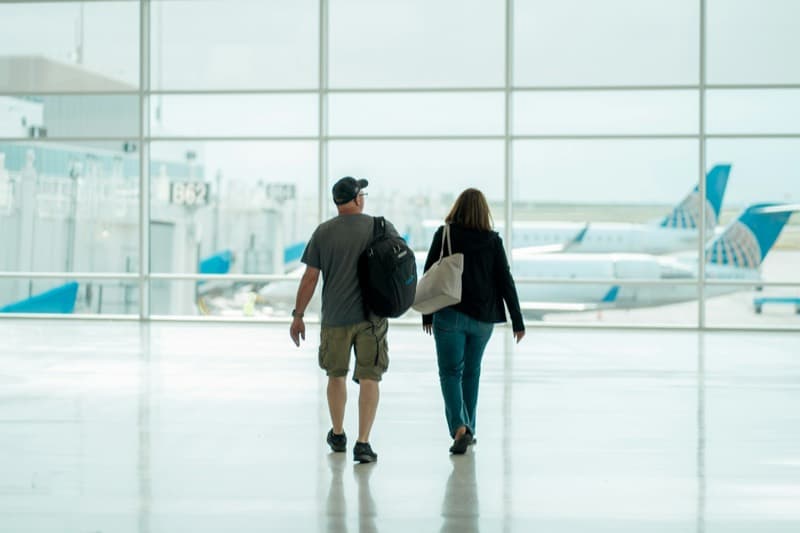
Tinnitus and Air Travel: What To Expect and How To Prepare
You board your flight feeling fine, but as the plane descends your ears clog, your jaw tightens, and the ringing flares. It can feel scary and unfair when a trip you have been looking forward to brings an unwanted spike.
You are not alone. Air travel combines pressure shifts, loud cabin noise, and travel stress that can all influence how your brain perceives sound. With the right preparation and in-flight tactics, most people can reduce spikes and recover quickly after landing.
If tinnitus is new or puzzling, a quick refresher on the basics will help you make sense of triggers and tools that work. Start with what is tinnitus, then come back to build your flight plan below.
How Flying Affects Your Ears and Tinnitus
Tinnitus perception is shaped by the ear, the auditory nerve, and the brain. Flying can nudge each of these systems in ways that matter:
- Pressure changes: During ascent and especially descent, cabin pressure shifts faster than your middle ear can equalize. If the Eustachian tube is sluggish due to anatomy, allergies, or a cold, pressure differentials can cause pain or fullness and may amplify tinnitus for hours to days.
- Noise exposure: Typical cabin noise ranges around 75 to 85 dB, and it can peak higher during takeoff and landing. Prolonged exposure in this range often increases listening effort and fatigue, which can raise tinnitus awareness.
- Stress and arousal: Travel uncertainty, rushing, and sleep disruption increase sympathetic activation. A more vigilant brain tends to notice phantom sounds more readily.
- Dehydration and jet lag: Dry cabin air and time-zone shifts can worsen headaches, sinus dryness, and sleep quality, all of which can correlate with louder or more intrusive ringing.
None of these factors damage hearing by default, but together they can create a perfect storm for a temporary spike. The goal is to minimize each input: keep pressure equalization smooth, control noise at your ears, and calm the system.
Pre-flight Preparation: Build Your Flight Plan
Good flights start on the ground. A few targeted steps days to hours before takeoff can make a major difference.
Health check
- If you have a head cold, sinus infection, or severe allergies, discuss postponing travel with your clinician when possible. Flying with blocked Eustachian tubes is a top risk for barotrauma and spikes.
- If you must fly, ask about decongestant strategies or nasal steroid sprays. Do not start new medications without guidance, and review potential ear-related side effects in ototoxic medications and tinnitus.
Baseline habits
- Keep your regular sleep and meal schedule as close as possible for 2 to 3 days before flying. Stable routines reduce vulnerability to spikes, a principle you will recognize from managing tinnitus.
- Practice gentle jaw, neck, and swallowing exercises to keep equalization muscles responsive.
Packing list
- Pressure-regulating earplugs sized correctly for your ears. These help slow pressure changes during ascent and descent.
- Quality over-ear ANC headphones. See what to look for in noise canceling headphones for tinnitus.
- Soft, comfortable earplugs for sleep or when you remove headphones.
- Saline nasal spray and sugar-free gum or lozenges.
- A personal sound source with offline playlists for masking. Many travelers rely on consistent, soothing sound to cover cabin noise without raising the volume.
Hydration and fuel
- Pre-hydrate several hours before the flight and sip fluids regularly in the air. Cabin humidity can drop below 20 percent. Learn why fluids matter in hydration and tinnitus: the importance of water intake.
- Aim for balanced, lower-salt meals to reduce fluid shifts and bloating that can affect sinus function.
Stress and mindset
- Give yourself extra time at the airport to reduce rush. A calmer nervous system notices tinnitus less. If flying triggers worry, rehearse a grounding plan using techniques from tinnitus and anxiety: staying mentally strong.
- Set realistic expectations: small fluctuations are common, and you have a plan for each phase of the flight.
In the Air: Takeoff, Cruise, and Descent Tactics
Equalize pressure early and often, control noise at your ears, and keep the body comfortable.
Takeoff and initial climb
- Insert pressure-regulating earplugs before pushback.
- Chew, swallow, or sip water during liftoff to engage the Eustachian tube. The Toynbee maneuver (pinch the nose and swallow) is gentler than forceful Valsalva and is often sufficient.
- Start ANC headphones once airborne. Keep volume modest and avoid cranking music to drown the cabin.
- If your ears feel blocked, try gentle jaw movements, yawns, or alternating Toynbee and brief, low-pressure Valsalva.
Cruise
- Maintain a comfortable sound environment. You can layer low-level masking under ANC to reduce listening effort.
- Take movement breaks and shoulder/neck stretches every hour to reduce muscle tension that can modulate tinnitus perception.
- Limit caffeine and alcohol, which may compound anxiety or dehydration for some travelers.
Descent and landing
- Begin equalization early, ideally when the captain announces top of descent, not only in the final minutes.
- Switch to pressure-regulating earplugs if you removed them. Use frequent swallows, sips, and Toynbee maneuvers.
- If an ear becomes painful, continue gentle equalization, apply a warm compress if available, and avoid forceful, repeated Valsalva that can injure the ear.
Cabin sound levels sit in the range where long exposure raises alertness, fatigue, and tinnitus awareness. Learn more context in the impact of noise pollution on tinnitus.
Choosing a seat for quieter sound
Seat choice influences the noise you experience. In general, the front tends to be a bit quieter than the rear, and sitting slightly forward of the wing often avoids the loudest engine and airflow noise.
| Seat location | Relative cabin noise | Pros | Cons |
|---|---|---|---|
| Front rows | Lower | Quieter ride, less engine/airflow noise | More foot traffic on boarding, pricier in some cabins |
| Over wing | Moderate | Stable ride in turbulence | Closer to engine and airflow noise |
| Rear | Higher | Often emptier seats to move around | Louder, longer deplaning time |
Noise varies by aircraft type and loading, but this guide plus ANC headphones and earplugs gives you layered protection.
Sleep, Jet Lag, and Post-flight Recovery
Sleep loss and circadian disruption increase auditory system gain and vigilance, making tinnitus feel louder. Build recovery into your itinerary.
- Anchor your sleep: Use morning light, light exercise, and consistent wake times at your destination. See strategies in tinnitus and sleep.
- Evening wind-down: Gentle stretching, a warm shower, and breathing work reduce arousal so your brain pays less attention to internal sounds.
- Sound enrichment at night: A neutral, low-level masker can make hotel rooms less silent and reduce contrast with your tinnitus. Try our white noise tracks and keep the volume just below your ringing.
Most flight-related spikes settle within hours to a couple of days once you rehydrate, sleep, and return to normal routines. If a spike lingers, do a mini reset: hydrate, light movement, lower-stress meals, and consistent masking only when needed rather than all day.
Special Situations: What If You...
Have a cold, sinus congestion, or allergies
- Delay flying if possible. If you must travel, consider a pre-descent nasal decongestant plan with your clinician. Saline sprays and warm compresses help keep passages open.
Wear hearing aids
- Keep hearing aids in during the flight unless they cause discomfort with headphones. Many devices offer a flight or noise program, and some include built-in maskers. Learn how amplification interacts with ringing in hearing aids and tinnitus.
Live with hyperacusis or strong sound sensitivity
- Layered protection is key: comfortable ANC headphones over soft earplugs can reduce exposure without overprotecting. Build tolerance gradually, and see hyperacusis and tinnitus for strategies that avoid making sensitivity worse.
Get anxious or panicky on planes
- Preload a 5 to 10 minute breathing or body-scan routine and schedule it for taxi, after takeoff, and top of descent. Calming skills you already use for tinnitus transfer well to flight stress.
Want on-the-go tools
- Download timers, breathing coaches, and maskers before you board. Curated picks in apps that help tinnitus can make your routine easy to stick with offline.
Are planning a lot of travel this year
- Build a stable daily pattern between trips to reduce baseline sensitivity, then adapt it for your travel days. General tips beyond flights appear in traveling with tinnitus.
When To Seek Help
Most in-flight spikes are temporary. Get medical attention promptly if you notice:
Urgent symptoms
- Sudden hearing loss in one or both ears
- Severe ear pain, pressure that does not improve after 48 to 72 hours, or bloody/clear ear drainage
- Intense spinning vertigo, vomiting, or new, persistent imbalance
Professional evaluation is wise if
- Your tinnitus spike remains markedly worse for more than 1 to 2 weeks despite steady routines
- You have recurrent barotrauma or cannot equalize despite careful technique and timing
An ear and hearing specialist can evaluate for middle ear problems, sudden hearing changes, or inner ear injury. Learn what to expect in how audiologists diagnose and treat tinnitus, and if you experienced acute hearing changes associated with the flight, also review sudden hearing loss and tinnitus and seek urgent care.
Conclusion: Fly Smarter, Not Louder
Air travel stacks predictable triggers: pressure shifts, steady cabin noise, stress, and sleep disruption. With a layered plan that starts before you board and continues through descent and recovery, you can cut most of that load and keep spikes shorter and milder.
Focus on what you can control: smooth equalization, seat selection, layered noise control, hydration, and a calming routine. If you want to deepen your toolkit, explore practical daily habits and keep a few sound tracks ready for gentle masking when you need it. When in doubt, check in with a hearing professional, then get back to planning the parts of the trip that make it worth taking.
 Written by