Tinnitus After a Concert
September 18, 2026
Left the show with your ears ringing? You are not alone. Learn why tinnitus spikes after concerts, what helps in 72 hours, red flags to watch, and how to protect your hearing at the next gig without missing the music.
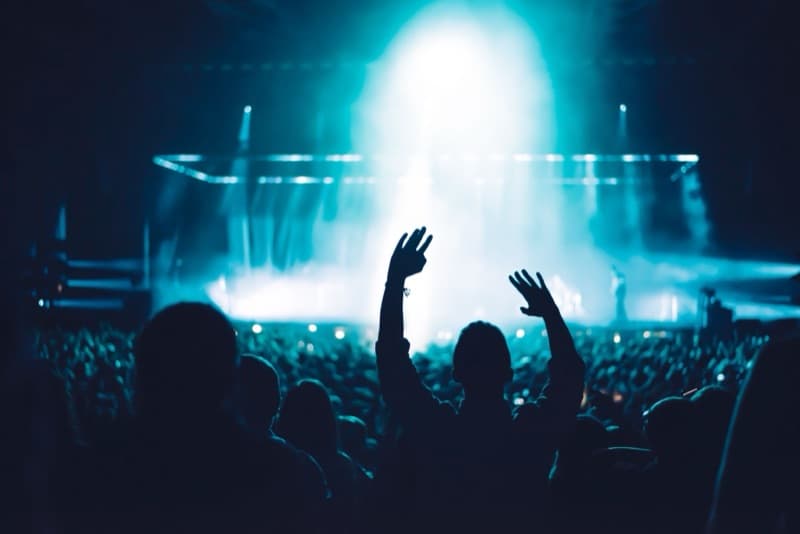
Will tinnitus after a concert go away?
Usually, yes. Ringing after a loud show is most often a temporary threshold shift (TTS): the inner ear's sound-sensing hair cells are fatigued, and as they recover, the ringing fades. For most people that takes a few hours to a day, and almost always under 72 hours. If ringing or a muffled feeling is still there after a week, see a hearing professional.
That high-pitched ring, hiss, or buzz you notice in the quiet after an amazing show is tinnitus, a perception of sound without an external source. It can feel unsettling, especially when it is louder in silence or when you are trying to sleep. If you are new to the topic, a quick primer on the biology behind it is in what is tinnitus.
How long does ringing last after a concert?
Along with the ringing, TTS can make sounds feel muffled or distant for a while. Typical timelines:
- Many cases settle within a few hours to 24 hours.
- Some take 24 to 72 hours.
- If tinnitus or a muffled feeling persists beyond a week, it is time to check in with a hearing professional.
If worry is spiraling, read the big-picture perspective in does tinnitus go away. There is no single clock for everyone, but early supportive steps improve comfort while your ears recalibrate. Below: why concerts trigger it, what to do in the first 72 hours, warning signs, and how to protect your ears at the next show.
Why loud concerts trigger tinnitus
Loud shows routinely hit 95 to 110 decibels (dB). At 100 dB, safe exposure can be as short as 15 minutes without hearing protection. Prolonged exposure overwhelms hair cells in the inner ear and can irritate the auditory nerve, producing ringing and a sense that sounds are dull or distant. More on everyday noise risks is in the impact of noise pollution on tinnitus.
Your brain also plays a role. When the ear delivers less detail because of TTS, the brain may turn up internal gain to compensate. That central gain can make internal neural noise more noticeable, heard as tinnitus. If you want the nerdy version, see how circuits adapt in the role of neural pathways in tinnitus perception.
Here is a quick comparison to help you sort what you are experiencing:
| Feature | Temporary concert ringing (TTS-related) | Persistent tinnitus pattern |
|---|---|---|
| Onset | Right after or within hours of loud event | May start after noise, illness, meds, or seemingly out of the blue |
| Hearing feel | Muffled, stuffed-ear sensation common | Hearing may be normal or reduced; sensations vary |
| Typical duration | Hours to several days | Months or longer |
| Trend | Gradual improvement with rest and quiet breaks | Can fluctuate, benefits from long-term strategies |
| Next step | Protect, rest, gentle sound, monitor | Assessment, hearing test, management plan |
First 24 to 72 hours: what actually helps
The early window is about reducing further stress on your hearing while lowering the brain's threat response. These steps do not cure tinnitus, but they support recovery and comfort.
Do now
- Give your ears quiet breaks. Avoid another loud venue for a few days. Simple consistency matters, as outlined in managing tinnitus.
- Add low-level sound in the background to cut the contrast. Learn options and safe levels in the power of white noise, then try a gentle stream like White Noise at a soft, non-masking volume.
- Hydrate, eat normally, and sleep as best you can. A stable routine dampens the brain's alarm system.
- If you feel anxious, slow your breathing for a few minutes and keep your shoulders relaxed. A calmer body perceives tinnitus as less intrusive.
Avoid, for now
- More loud sound exposure. Skipping the after-party is not lame, it is smart.
- Cranking headphones to drown the ring. If you need audio, keep it below 60 percent volume, and give yourself listening breaks.
- Silence-only coping. Total silence can make tinnitus stand out more. Gentle ambient sound is your friend.
If you must be in noise
- Use quality earplugs or earmuffs. Musicians plugs let music stay clear at a safer volume. For commuting or air travel, active systems can help, explained in noise canceling headphones for tinnitus.
If sleep is tough on night one, see tips that balance comfort and sound in tinnitus and sleep. Early sleep wins reduce next-day reactivity.
When to seek medical help
Most post-concert ringing settles with time and care. These signs call for prompt evaluation.
Urgent today
- Sudden hearing loss in one or both ears, especially if noticed on waking.
- Severe ear fullness that does not ease, new vertigo, or spinning sensations.
- Ear pain, drainage, or bleeding.
Any of these can accompany a hearing emergency. Learn why fast action matters in sudden hearing loss and tinnitus.
Soon, within a week
- Tinnitus or muffled hearing that persists more than 3 to 7 days after the concert.
- One-sided tinnitus that does not settle.
- Tinnitus with ongoing dizziness, pressure, or pronounced sound sensitivity.
A licensed audiologist can check your hearing, middle ear function, and risk factors, and help you plan next steps. See how the process works in how audiologists diagnose and treat tinnitus.
Calming the days after: sleep, stress, and sound
Tinnitus loudness and distress are not the same thing. Your nervous system can make the sound feel bigger when stress rises. Practical steps help lower the volume of your reaction, even if the sound is still there.
- Keep gentle, steady sound around you during quiet tasks. A fan, soft nature sounds, or a low TV volume can keep the contrast down. If certain sounds feel uncomfortably loud after the concert, that can be a short-lived sensitivity. Read about this pattern in hyperacusis and tinnitus.
- Protect your sleep window. Consistent bed and wake times, a cool room, and pre-bed sound enrichment support rest, explored in tinnitus and sleep.
- Set an anxiety check-in twice per day. If your mind is spinning, 5 minutes of breathing or a brief body scan helps. It is normal to feel edgy; practical reframing ideas live in tinnitus and stress.
Small, repeated habits signal safety to the brain. As the system downshifts, tinnitus often feels less intrusive, even before the ear fully recovers.
Protect your ears at the next show without killing the vibe
Protection is about clarity and control, not muffling the experience. The right tools let you enjoy the set and hear your friends after.
Gear that helps
- Musician earplugs with flatter frequency response keep music fidelity while lowering volume 10 to 20 dB. Foam plugs work well too, as long as you roll them thin and let them expand deep in the ear canal.
- Bring a backup pair. You do not want to be stuck if you lose one in a dark venue.
| Ear protection | Typical reduction (NRR) | Pros | Considerations |
|---|---|---|---|
| Foam plugs | 20-33 dB | Inexpensive, widely available | Can sound muffled if not fitted well |
| Musician plugs | 10-25 dB | Clearer sound, reusable filters | Cost more, need proper sizing |
| Earmuff-style | 20-30 dB | Easy on-off, great for festivals | Bulky, warmer on ears |
Positioning and pacing
- Stand away from stacks and center clusters. Even a few meters matter.
- Take quiet breaks between sets. Your ears recover across the night.
- Watch volume on the ride home. If you need music, go softer than usual.
Common mistakes after a loud night
A few missteps can make recovery feel harder. Here is what to watch for and what to try instead.
Mistakes
- Panicking and doom-scrolling forums late at night.
- Total silence in a quiet room, which increases contrast and the sense of loudness.
- Blasting masking noise to drown tinnitus.
- Poking around your ear canal with cotton swabs.
Better choices
- Set a 15-minute info window in the daytime, then switch to a calming activity.
- Use soft sound at a low, comfortable level in your space.
- Keep sound enrichment softer than the tinnitus so your brain can relearn to tune it out.
- Leave ear canals alone. If you suspect earwax, book a proper clean rather than trying at home.
A simple 3-day recovery plan
This mini-plan helps you move from reaction to recovery while you monitor symptoms.
Day 1
- Lower stimulation. Gentle daytime activity, breaks from loud environments.
- Add low-level background sound wherever silence feels too stark.
- Night routine: dim lights, screens off 60 minutes before bed, soft ambient audio, and a wind-down that relaxes your body.
Day 2
- Light exercise if you feel up to it. Movement supports stress reduction.
- Hydrate and eat normally. Stable energy helps nervous system settling.
- Check hearing and tinnitus once in the morning and once in the evening only. Avoid constant self-testing.
Day 3
- If ringing is easing, keep the routine going another few days.
- If symptoms are unchanged or worse, especially with one-sided issues or dizziness, schedule an audiology visit.
Conclusion: your show was loud, your recovery can be smart
Tinnitus after a concert is common and often temporary. Smart early steps reduce discomfort while your ears and brain recalibrate. Gentle sound enrichment, sleep-supportive habits, and short stretches of quiet all stack up to help.
If your symptoms persist or come with red flags, get checked. If you want a structured first-week approach, take a look at new tinnitus what to do first week. If you notice more frequent ups and downs after noisy environments, understanding patterns in why does tinnitus spike can help you plan smarter nights out.
Frequently Asked Questions
How long does ringing in the ears last after a concert?
For most people the ringing fades within a few hours to a day, and almost always within 72 hours. It comes from a temporary threshold shift, where overworked inner ear hair cells need time to recover. If ringing or a muffled feeling is still there after a week, book a hearing test, because the change may not be fully temporary.
Is ringing after a concert a sign of hearing damage?
It is a sign your ears were exposed to more sound than they could comfortably handle. Usually the effect is temporary, but repeated exposures add up, and research suggests even short-lived ringing can reflect some lasting strain on the auditory nerve. Treat it as a warning to wear ear protection next time, not as proof of permanent loss.
How do I stop my ears ringing after a concert?
There is no instant off switch, but you can help recovery. Give your ears several quiet days away from loud venues, play soft background sound instead of sitting in silence, sleep and hydrate normally, and avoid turning headphones up to drown the ringing. Most concert ringing then fades on its own within a few days.
When should I see a doctor about ringing after a concert?
Get seen the same day if you notice sudden hearing loss, vertigo, ear pain or discharge, since sudden hearing loss responds best to early treatment. Book an audiologist within a week if the ringing or muffled hearing has not improved after three to seven days, or if it is only in one ear.
Do earplugs ruin the sound at a concert?
Not if you choose the right kind. Musician earplugs lower the volume fairly evenly across frequencies, so the music sounds like the same mix, just quieter. Cheap foam plugs cut high frequencies more and can sound muffled, but they still protect you far better than nothing.
References
- Noise-Induced Hearing Loss - NIDCD, National Institutes of Health
- Tinnitus - NIDCD, National Institutes of Health
- Deafness and hearing loss: Safe listening - World Health Organization
- Tinnitus - NHS
 Written by